


Hey there! As a supplier of Constant Force Springs, I've seen firsthand how important it is to store these springs properly. In this blog post, I'll share some tips and tricks on how to do just that.
First things first, let's talk about what constant force springs are. These springs are designed to provide a consistent amount of force over a long period of time. They're commonly used in applications where a constant force is required, such as in retractable cords, window shades, and automotive seat belts.
Now, let's get into the nitty-gritty of storing constant force springs. The first thing you need to consider is the environment in which you'll be storing the springs. Constant force springs are made of metal, which means they're susceptible to rust and corrosion. To prevent this from happening, you should store the springs in a dry, cool place. Avoid storing them in areas that are prone to moisture, such as basements or garages.
Another important factor to consider is the way you store the springs. Constant force springs are typically wound into a coil, which means they can easily become tangled or damaged if not stored properly. To avoid this, you should store the springs in a way that keeps them organized and protected. One way to do this is to use a spring storage rack or holder. These racks are designed to hold the springs in place and prevent them from becoming tangled or damaged.
If you don't have a spring storage rack, you can also use a cardboard box or plastic container to store the springs. Just make sure to label the box or container clearly so you know what's inside. You can also use bubble wrap or foam padding to protect the springs from damage.
In addition to storing the springs in a dry, cool place and keeping them organized, you should also take steps to prevent them from becoming contaminated. Constant force springs are often used in applications where cleanliness is important, such as in medical devices or food processing equipment. To prevent contamination, you should store the springs in a clean, dust-free environment. You can also use a protective cover or bag to keep the springs clean.
Now, let's talk about some specific tips for storing different types of constant force springs.
Flat Constant Force Springs
Flat constant force springs are the most common type of constant force spring. They're typically used in applications where a low profile is required, such as in electronic devices or automotive interiors. To store flat constant force springs, you should keep them flat and avoid bending or twisting them. You can use a flat storage rack or holder to keep the springs organized and protected.
Coiled Constant Force Springs
Coiled constant force springs are similar to flat constant force springs, but they're wound into a coil instead of a flat strip. To store coiled constant force springs, you should keep them in a cylindrical container or holder. Make sure the container is large enough to hold the springs without compressing them. You can also use a spring storage rack or holder to keep the springs organized and protected.
Spiral Constant Force Springs
Spiral constant force springs are designed to provide a high amount of force in a small space. They're commonly used in applications where a compact design is required, such as in watches or cameras. To store spiral constant force springs, you should keep them in a small, cylindrical container or holder. Make sure the container is large enough to hold the springs without compressing them. You can also use a spring storage rack or holder to keep the springs organized and protected.

Other Types of Springs
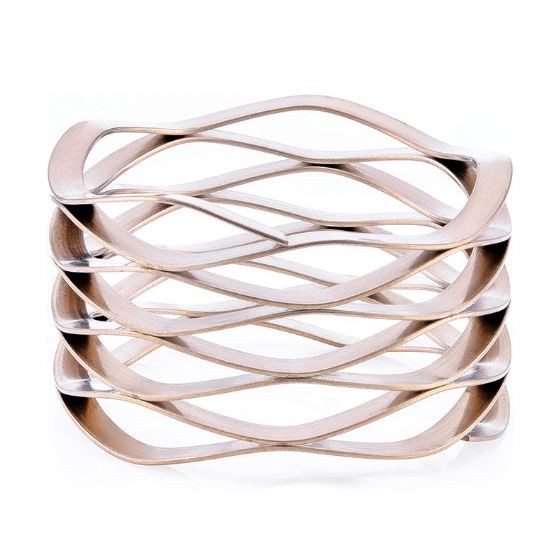
In addition to constant force springs, we also supply other types of springs, such as Wire Formed Springs, Wave Springs, and more. The storage tips for these springs are similar to those for constant force springs. You should store them in a dry, cool place, keep them organized and protected, and prevent them from becoming contaminated.
In conclusion, storing constant force springs properly is essential to ensure their performance and longevity. By following the tips and tricks outlined in this blog post, you can keep your springs in good condition and avoid costly repairs or replacements.
If you're in the market for Constant Force Springs or other types of springs, please don't hesitate to contact us. We'd be happy to help you find the right springs for your application and provide you with more information on how to store them properly.
References
- Spring Manufacturing Handbook
- Machinery's Handbook


