


As a seasoned supplier of Hydraulic Springs, I've witnessed firsthand the growing importance of sustainable practices in our industry. Recycling hydraulic springs is not only an environmentally responsible choice but also a strategic move for businesses looking to reduce costs and enhance their brand image. In this blog post, I'll share some insights on how to recycle hydraulic springs effectively, drawing on my years of experience in the field.
Understanding the Importance of Recycling Hydraulic Springs
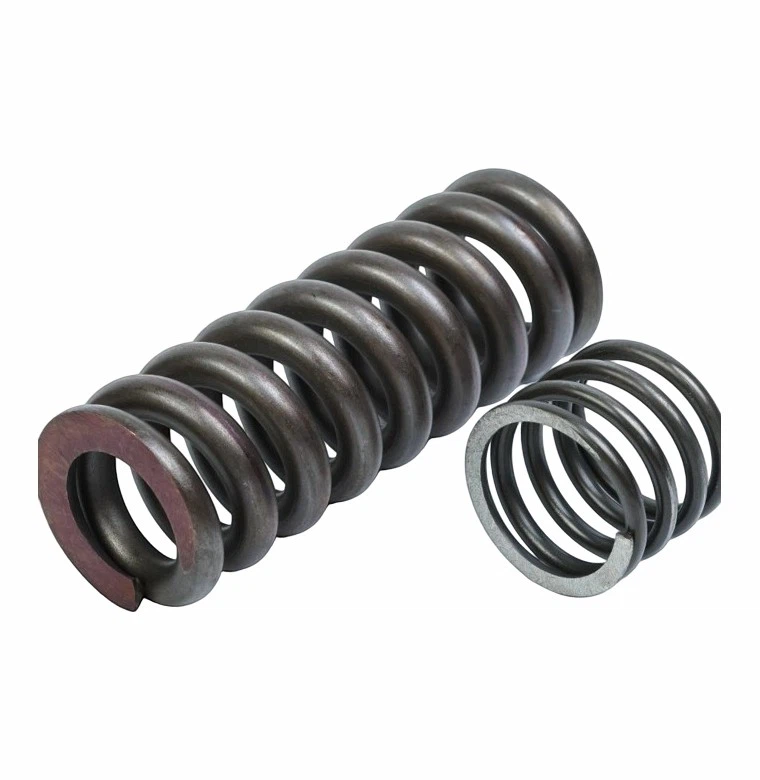
Hydraulic springs play a crucial role in various industries, including automotive, aerospace, and manufacturing. These springs are designed to store and release energy, providing the necessary force to operate hydraulic systems. However, like all mechanical components, hydraulic springs have a limited lifespan and will eventually need to be replaced. When this happens, it's important to consider recycling as a viable option.
Recycling hydraulic springs offers several benefits, both for the environment and for businesses. By recycling these springs, we can reduce the demand for raw materials, conserve energy, and minimize waste. Additionally, recycling can help businesses save money on disposal costs and potentially generate revenue from the sale of recycled materials.
The Recycling Process
Recycling hydraulic springs involves several steps, each of which is essential for ensuring the effective and efficient recovery of valuable materials. Here's a breakdown of the typical recycling process:
1. Collection
The first step in recycling hydraulic springs is to collect them from various sources. This can include manufacturing facilities, repair shops, and end-of-life products. As a hydraulic spring supplier, we often work closely with our customers to collect used springs and ensure they are properly recycled.
2. Sorting
Once the springs have been collected, they need to be sorted based on their material composition and size. This step is crucial for ensuring that the recycling process is efficient and that the materials can be effectively separated and processed.

3. Cleaning
After sorting, the springs need to be cleaned to remove any dirt, grease, or other contaminants. This can be done using a variety of methods, including washing, degreasing, and sandblasting.
4. Shredding
Once the springs have been cleaned, they are typically shredded into smaller pieces. This makes it easier to process the materials and extract the valuable metals.
5. Melting
The shredded springs are then melted down in a furnace to separate the different metals. This process involves heating the materials to a high temperature until they become molten. The molten metals are then poured into molds to create new products.
6. Refining
After melting, the metals may need to be refined to remove any impurities and improve their quality. This can be done using a variety of techniques, including electrolysis and chemical processing.
7. Manufacturing
Once the metals have been refined, they can be used to manufacture new products. This can include hydraulic springs, as well as other metal components.
Tips for Recycling Hydraulic Springs
Here are some tips to help you recycle hydraulic springs effectively:
1. Work with a Reputable Recycling Company
When recycling hydraulic springs, it's important to work with a reputable recycling company that has experience in handling these materials. Look for a company that is licensed and certified to recycle metals and that has a proven track record of environmental responsibility.
2. Separate the Springs by Material
To ensure the most efficient recycling process, it's important to separate the springs by material. This will make it easier for the recycling company to process the materials and extract the valuable metals.
3. Clean the Springs Before Recycling
Before recycling the springs, it's important to clean them to remove any dirt, grease, or other contaminants. This will help to ensure that the recycling process is more efficient and that the materials can be effectively separated and processed.
4. Consider Reusing the Springs
In some cases, it may be possible to reuse the hydraulic springs instead of recycling them. This can be a cost-effective and environmentally friendly option, especially if the springs are still in good condition.
5. Educate Your Employees
If you're a business owner, it's important to educate your employees about the importance of recycling hydraulic springs. Provide them with training on how to properly recycle these materials and encourage them to take an active role in the recycling process.
Conclusion
Recycling hydraulic springs is an important step towards a more sustainable future. By recycling these materials, we can reduce the demand for raw materials, conserve energy, and minimize waste. As a hydraulic spring supplier, we are committed to promoting sustainable practices in our industry and encouraging our customers to recycle their used springs.
If you're interested in learning more about recycling hydraulic springs or if you have any questions about our products and services, please don't hesitate to contact us. We'd be happy to discuss your needs and help you find the best solution for your business.
References
- "Recycling of Metal Springs: A Review," Journal of Materials Recycling, Vol. 10, No. 2, 2015.
- "Sustainable Manufacturing: A Guide to Recycling and Reusing Materials," American Society of Mechanical Engineers, 2018.
- "The Importance of Recycling in the Automotive Industry," Automotive News, Vol. 90, No. 12, 2020.
Related Products
If you're in the market for high-quality hydraulic springs or other compression springs, we invite you to contact us to discuss your specific requirements. Our team of experts is ready to assist you in finding the perfect solution for your application.


