


Hey there! As a supplier of Wave Springs, I've seen firsthand how different environmental conditions can have an impact on these nifty little components. One factor that often doesn't get as much attention as it should is humidity. In this blog post, I'm going to dig into how humidity conditions can affect Wave Springs and why it's crucial to consider this when using them in various applications.
What Are Wave Springs Anyway?
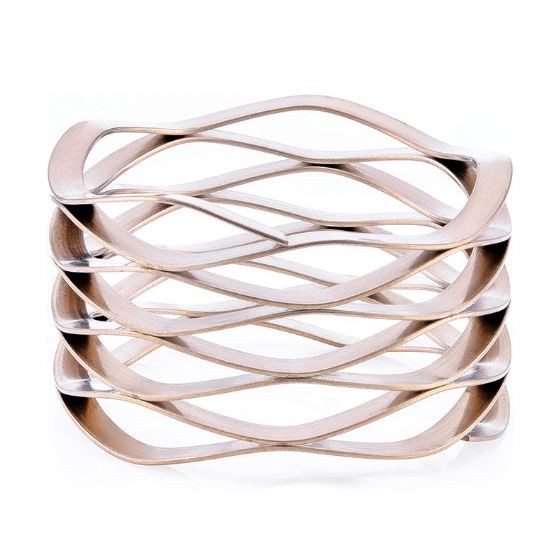
Before we jump into the humidity stuff, let's quickly talk about Wave Springs. Wave Springs are a type of special - shaped spring that are designed to provide a specific amount of force within a limited space. They're used in a wide range of industries, from automotive to aerospace, and they offer some real advantages over traditional coil springs. If you want to learn more about them, check out this Wave Springs link.
How Humidity Affects Wave Springs
Corrosion
One of the most obvious ways humidity can affect Wave Springs is through corrosion. When the air is humid, there's more moisture in the atmosphere. If the Wave Springs are made of metal (which is usually the case), this moisture can react with the metal to form rust. Rust weakens the structure of the spring, reducing its elasticity and overall performance.
For example, in a marine environment where the humidity is constantly high due to the proximity to the ocean, Wave Springs used in equipment on boats or offshore platforms are at a high risk of corrosion. Over time, the rust can cause the spring to break, leading to equipment failure. To combat this, manufacturers often use corrosion - resistant materials like stainless steel or apply special coatings to the springs.
Material Expansion and Contraction
Humidity can also cause the materials of the Wave Springs to expand and contract. When the air is humid, the moisture can be absorbed by the metal, causing it to expand slightly. Conversely, when the humidity drops, the metal will contract. This continuous expansion and contraction can put stress on the spring, potentially leading to fatigue and failure.
In a manufacturing plant where the humidity levels can fluctuate throughout the day, Wave Springs used in machinery may experience this kind of stress. If the spring is not designed to handle these changes, it can lead to premature wear and tear. Engineers need to take into account the expected humidity variations in the environment when designing the springs to ensure they can withstand these stresses.
Lubrication Breakdown
Wave Springs often rely on lubrication to reduce friction and ensure smooth operation. However, high humidity can cause the lubricant to break down more quickly. The moisture in the air can mix with the lubricant, diluting it and reducing its effectiveness.
In a high - humidity warehouse, for instance, Wave Springs in conveyor systems may have their lubricants affected by the humidity. Without proper lubrication, the springs can experience increased friction, which not only reduces their performance but also generates more heat. This heat can further damage the spring and other components of the system.
Comparing Wave Springs with Other Types of Springs in Humid Conditions
Let's take a quick look at how Wave Springs stack up against other types of springs, like Wire Formed Springs and Constant Force Springs, in humid conditions.

Wave Springs vs. Wire Formed Springs
Wire Formed Springs are typically made from a single wire that is bent into a specific shape. While they can be quite strong, they may be more susceptible to corrosion in humid conditions compared to Wave Springs. Wave Springs, with their unique design and often better - engineered materials, can offer more resistance to the effects of humidity.
Wave Springs vs. Constant Force Springs
Constant Force Springs are designed to provide a constant amount of force over a long range of motion. In humid conditions, they may face similar issues as Wave Springs, such as corrosion and lubrication breakdown. However, the design of Wave Springs allows for more flexibility in terms of material selection and coating options, which can give them an edge in high - humidity environments.
How to Mitigate the Effects of Humidity on Wave Springs
Environmental Control
One of the most effective ways to protect Wave Springs from humidity is to control the environment in which they operate. This can be done by using dehumidifiers in enclosed spaces. For example, in a data center where Wave Springs are used in cooling systems, dehumidifiers can be installed to keep the humidity at a stable and safe level.
Material Selection
As mentioned earlier, choosing the right material is crucial. Stainless steel is a popular choice for Wave Springs in humid environments because of its corrosion - resistant properties. Other materials, like titanium, can also be used for their high strength and resistance to moisture.
Coating and Surface Treatment
Applying a protective coating to the Wave Springs can also help. Coatings like zinc plating or epoxy coatings can act as a barrier between the metal and the moisture in the air, preventing corrosion. Surface treatments, such as passivation, can also improve the spring's resistance to humidity.
Conclusion
Humidity conditions can have a significant impact on Wave Springs. From corrosion to material expansion and lubrication breakdown, there are several ways in which high humidity can affect the performance and lifespan of these springs. However, by taking the right precautions, such as environmental control, proper material selection, and coating, we can minimize these effects.
If you're in the market for Wave Springs and need to consider humidity conditions in your application, don't hesitate to reach out. We're here to help you find the best solutions for your specific needs. Whether it's choosing the right material or designing a custom - made spring, we've got the expertise to ensure your Wave Springs perform optimally in any environment.
References
- ASM Handbook, Volume 13A: Corrosion: Fundamentals, Testing, and Protection
- Mechanical Springs Handbook, Second Edition by Robert J. Roark and Warren C. Young


