


What is the cost of hydraulic springs? This is a question that many customers often ask when considering purchasing these essential components. As a leading supplier of Hydraulic Springs, I am here to break down the various factors that contribute to the cost of hydraulic springs and help you understand what you're paying for.
Understanding Hydraulic Springs
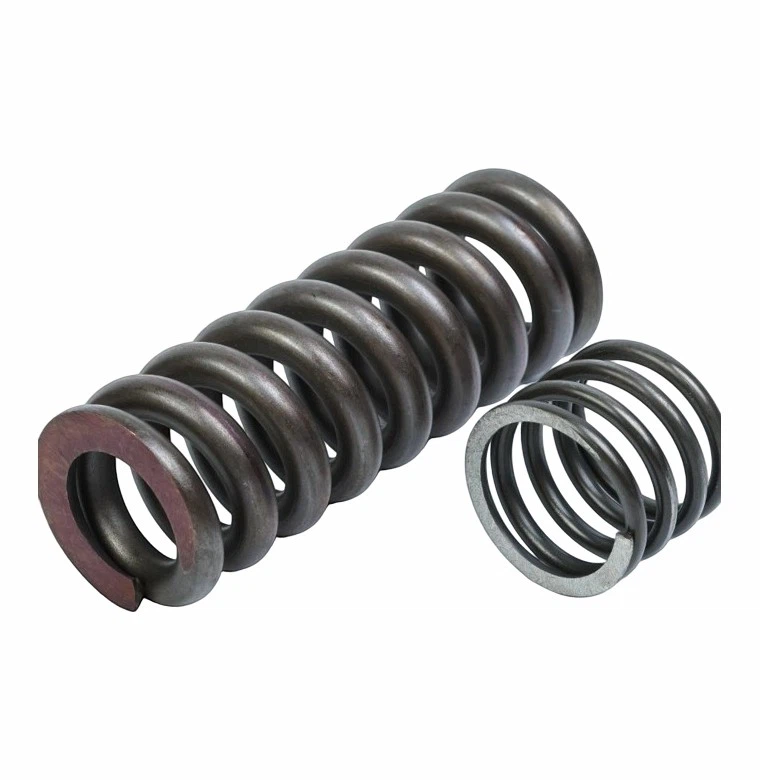
Before delving into the cost, it's important to have a clear understanding of what hydraulic springs are. Hydraulic springs are a type of compression spring that uses hydraulic fluid to dampen the spring's movement. They are commonly used in a wide range of applications, including automotive, aerospace, industrial machinery, and more. The primary function of hydraulic springs is to absorb and dissipate energy, providing smooth and controlled motion.
Factors Affecting the Cost of Hydraulic Springs
Material
The choice of material is one of the most significant factors influencing the cost of hydraulic springs. Different materials have varying properties, such as strength, corrosion resistance, and temperature tolerance. High - quality materials like stainless steel or alloy steels are more expensive than standard carbon steels. For example, stainless steel offers excellent corrosion resistance, making it suitable for applications in harsh environments. However, the cost of stainless steel is higher due to its raw material price and the additional processing required.

Design and Complexity
The design of the hydraulic spring also plays a crucial role in determining its cost. Springs with complex geometries, such as variable pitch or non - linear designs, require more advanced manufacturing processes. These processes often involve specialized equipment and skilled labor, which increases the overall cost. Additionally, springs with custom designs tailored to specific applications may be more expensive than standard off - the - shelf models. For instance, a hydraulic spring designed for a unique aerospace application with strict performance requirements will likely be more costly than a standard spring used in a general industrial setting.
Size and Dimensions
The size and dimensions of the hydraulic spring are directly related to its cost. Larger springs generally require more material, which increases the raw material cost. Moreover, manufacturing larger springs may require larger machinery and more energy, leading to higher production costs. Similarly, springs with precise dimensions and tight tolerances are more difficult to manufacture and may require additional quality control measures, adding to the overall cost.
Quantity
The quantity of hydraulic springs ordered also affects the cost. Generally, larger orders result in lower per - unit costs. This is because the fixed costs associated with manufacturing, such as setup costs and tooling costs, can be spread over a larger number of units. For example, if you order a small quantity of custom - made hydraulic springs, the setup cost for the manufacturing process will be a significant portion of the total cost. However, if you place a large order, the setup cost per unit will be much lower, resulting in a more cost - effective solution.
Comparing Hydraulic Springs with Other Types of Compression Springs
It's useful to compare hydraulic springs with other types of compression springs, such as SWP - B Piano Wire Compression Springs and Valve Compression Springs.
SWP - B Piano Wire Compression Springs
SWP - B piano wire compression springs are made from high - carbon steel wire. They are known for their high strength and good elasticity. These springs are relatively inexpensive compared to hydraulic springs, mainly because they have a simpler design and are made from more common materials. However, they do not offer the same level of damping and energy absorption as hydraulic springs. SWP - B piano wire compression springs are typically used in applications where the damping effect is not critical, such as in some consumer products and light - duty industrial applications.
Valve Compression Springs
Valve compression springs are commonly used in engines and other mechanical systems to control the opening and closing of valves. These springs are designed to withstand high - frequency cycling and require high fatigue resistance. The cost of valve compression springs can vary depending on the material, design, and size. While some valve compression springs may be more expensive than standard springs, they are generally less costly than hydraulic springs. This is because valve compression springs do not require the additional hydraulic components and the associated manufacturing processes.
Cost - Benefit Analysis of Hydraulic Springs
Despite the relatively higher cost of hydraulic springs compared to other types of compression springs, they offer significant benefits in many applications. The damping effect provided by hydraulic springs helps to reduce vibration and noise, which can improve the overall performance and lifespan of the equipment. In automotive applications, for example, hydraulic springs can enhance the ride comfort by absorbing shocks and vibrations from the road. In industrial machinery, they can prevent damage to components caused by excessive vibration.
When considering the cost of hydraulic springs, it's important to conduct a cost - benefit analysis. Evaluate the specific requirements of your application and determine whether the benefits of using hydraulic springs outweigh the additional cost. In some cases, the improved performance and reliability provided by hydraulic springs can result in long - term cost savings by reducing maintenance and replacement costs.
How to Get the Best Value for Your Hydraulic Spring Purchase
To get the best value for your hydraulic spring purchase, it's important to work with a reliable supplier. As a supplier, we offer a range of services to help our customers optimize their spring purchases.
Consultation
We provide consultation services to help customers select the right hydraulic spring for their applications. Our team of experts can assess your requirements, including performance, environment, and budget, and recommend the most suitable spring design and material. This ensures that you get a spring that meets your needs without overpaying for unnecessary features.
Customization
We understand that many applications require custom - designed hydraulic springs. Our manufacturing capabilities allow us to produce springs with custom sizes, designs, and materials. By working closely with our customers, we can develop cost - effective solutions that meet their specific requirements.
Quality Assurance
We are committed to providing high - quality hydraulic springs. Our quality control processes ensure that each spring meets the required standards and specifications. This reduces the risk of product failure and ensures that you get a reliable product that will perform as expected.
Conclusion
In conclusion, the cost of hydraulic springs is influenced by several factors, including material, design, size, quantity, and complexity. While hydraulic springs may be more expensive than some other types of compression springs, they offer unique benefits such as damping and energy absorption. When considering a hydraulic spring purchase, it's important to conduct a cost - benefit analysis and work with a reliable supplier to get the best value for your money.
If you are interested in purchasing hydraulic springs or have any questions about our products, please feel free to contact us. We are ready to assist you in finding the right solution for your application.
References
- "Mechanical Springs Handbook" by Design News
- "Spring Design and Application" by ASME (American Society of Mechanical Engineers)


