


As a supplier of retaining rings, one question that frequently arises from our clients is whether retaining rings can be used in a nuclear environment. This is a critical inquiry considering the unique and harsh conditions present in nuclear facilities. In this blog post, we'll delve into the technical aspects, challenges, and possibilities of using retaining rings in nuclear settings.
Understanding the Nuclear Environment
The nuclear environment is characterized by extreme conditions that pose significant challenges to any component used within it. High radiation levels are a primary concern. Ionizing radiation can cause damage to materials at the atomic level, leading to changes in their mechanical properties. For example, radiation can induce embrittlement in metals, making them more prone to cracking and failure.
Temperature is another crucial factor. Nuclear reactors often operate at high temperatures, which can affect the performance of materials. Thermal expansion and contraction can cause stress on components, potentially leading to loosening or deformation of retaining rings. Additionally, the presence of corrosive agents, such as coolant chemicals, can accelerate the degradation of materials over time.
Properties of Retaining Rings
Retaining rings are mechanical fasteners used to hold components in place on a shaft or in a housing. They come in various types, including internal and external rings, and are typically made from materials like carbon steel, stainless steel, or alloy steel. The choice of material depends on the specific application requirements, such as strength, corrosion resistance, and temperature tolerance.
In a nuclear environment, the material selection for retaining rings becomes even more critical. Stainless steel is often a preferred choice due to its good corrosion resistance and relatively high radiation tolerance. However, not all stainless steels are created equal. Austenitic stainless steels, for example, have better radiation resistance compared to ferritic stainless steels. They are less prone to radiation-induced embrittlement and maintain their mechanical properties better under high radiation doses.
Challenges of Using Retaining Rings in a Nuclear Environment
Despite the potential suitability of certain materials, there are several challenges associated with using retaining rings in a nuclear environment. One of the main challenges is radiation-induced degradation. Over time, the high radiation levels can cause changes in the microstructure of the retaining ring material, leading to reduced ductility and increased susceptibility to cracking. This can compromise the integrity of the retaining ring and potentially lead to component failure.
Another challenge is the effect of temperature on the retaining ring's performance. High temperatures can cause the material to expand, which may result in a loss of preload or interference fit. This can lead to the retaining ring becoming loose and failing to hold the component in place. Additionally, thermal cycling, which occurs during startup and shutdown of the nuclear reactor, can cause fatigue in the retaining ring material, further reducing its lifespan.
Corrosion is also a significant concern in a nuclear environment. The presence of coolant chemicals and other corrosive agents can accelerate the degradation of the retaining ring material. Even stainless steel, which is known for its corrosion resistance, can be susceptible to corrosion under certain conditions, such as in the presence of chloride ions.
Mitigating the Challenges
To overcome the challenges associated with using retaining rings in a nuclear environment, several mitigation strategies can be employed. Material selection is crucial. As mentioned earlier, austenitic stainless steels are often preferred due to their better radiation resistance and corrosion tolerance. Additionally, advanced materials, such as nickel-based alloys, may offer even better performance in a nuclear environment. These alloys have excellent high-temperature strength, corrosion resistance, and radiation tolerance.
Surface treatments can also be used to enhance the performance of retaining rings in a nuclear environment. For example, coatings can be applied to the retaining ring to provide additional protection against corrosion and radiation. Ceramic coatings, for instance, have good thermal stability and can act as a barrier against radiation-induced damage.
Regular inspection and maintenance are essential to ensure the continued performance of retaining rings in a nuclear environment. Non-destructive testing techniques, such as ultrasonic testing and eddy current testing, can be used to detect any signs of damage or degradation in the retaining rings. If any issues are detected, the retaining rings can be replaced before they fail.
Applications of Retaining Rings in the Nuclear Industry
Despite the challenges, retaining rings do have applications in the nuclear industry. They are used in various components, such as pumps, valves, and turbines, to hold bearings, gears, and other rotating parts in place. In these applications, the retaining rings play a critical role in ensuring the proper functioning of the equipment and preventing component failure.
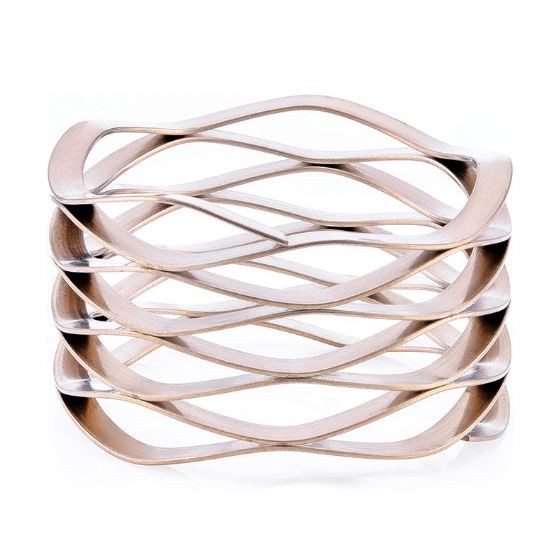

For example, in a nuclear reactor coolant pump, retaining rings are used to secure the impeller to the shaft. The impeller is a critical component of the pump, and its proper functioning is essential for the circulation of coolant in the reactor. A well-designed and properly installed retaining ring can ensure that the impeller remains securely attached to the shaft, even under the high temperatures and pressures present in the nuclear environment.
Related Products
In addition to retaining rings, our company also offers a range of other spring products that may be suitable for use in a nuclear environment. These include Torsion Bar Springs, Constant Force Springs, and Wave Springs. These springs can be used in various applications, such as control systems, actuators, and vibration isolation, to provide reliable performance in harsh environments.
Conclusion
In conclusion, while using retaining rings in a nuclear environment presents several challenges, it is possible with the right material selection, design, and maintenance. Austenitic stainless steels and advanced materials like nickel-based alloys offer good radiation resistance and corrosion tolerance, making them suitable choices for retaining rings in nuclear applications. Surface treatments and regular inspection can further enhance the performance and lifespan of the retaining rings.
If you are in the nuclear industry and are considering using retaining rings or other spring products in your applications, we encourage you to contact us for more information. Our team of experts can provide you with detailed technical advice and help you select the right products for your specific requirements. We are committed to providing high-quality products and excellent customer service to meet the needs of our clients in the nuclear industry.
References
- "Materials for Nuclear Power Plants" by John R. Weir
- "Radiation Effects in Materials" by Richard E. Stoller
- "Corrosion in Nuclear Power Systems" by George S. Was


