


Can hydraulic springs be used in marine applications? That's a question I get asked a lot as a supplier of hydraulic springs. And let me tell you, it's not a straightforward answer. There are a bunch of factors to consider, and I'm gonna break it all down for you in this blog.
First off, let's talk about what hydraulic springs are. In simple terms, a hydraulic spring is a type of spring that uses hydraulic fluid to provide a damping effect and support a load. It's different from traditional mechanical springs, which rely on the elasticity of materials like metal. Hydraulic springs can offer some unique advantages, such as the ability to adjust the spring rate and damping characteristics.
Now, when it comes to marine applications, the environment is pretty harsh. Saltwater, high humidity, and constant motion are just some of the challenges that equipment has to face. So, can hydraulic springs hold up in this kind of setting?
One of the big advantages of hydraulic springs in marine applications is their ability to handle shock and vibration. Boats and ships are constantly being jostled around by waves, and traditional springs might not be able to absorb these shocks as effectively. Hydraulic springs, on the other hand, can provide a smoother ride by dampening the vibrations. This is especially important for sensitive equipment on board, like navigation systems or delicate instruments.
Another benefit is the adjustability of hydraulic springs. In a marine environment, the load on a spring can vary depending on factors like the weight of the cargo, the number of passengers, and the sea conditions. With hydraulic springs, you can easily adjust the spring rate to match the changing load. This means better performance and less wear and tear on the equipment.
But it's not all sunshine and rainbows. There are also some challenges to using hydraulic springs in marine applications. One of the main issues is corrosion. Saltwater is extremely corrosive, and if the hydraulic spring isn't properly protected, it can quickly start to rust and deteriorate. That's why it's crucial to use high - quality materials and coatings that can withstand the harsh marine environment.
Sealing is another important factor. Hydraulic springs rely on a sealed chamber to contain the hydraulic fluid. If the seal fails, the fluid can leak out, and the spring will lose its effectiveness. In a marine setting, where there's a lot of movement and vibration, ensuring a good seal can be a challenge.
Let's take a look at some specific marine applications where hydraulic springs could potentially be used.
1. Stabilizers
Boats and ships often use stabilizers to reduce rolling motion. Hydraulic springs could be used in these stabilizer systems to provide a more controlled and adjustable damping effect. By adjusting the spring rate, the stabilizer can be optimized for different sea conditions and vessel loads.
2. Mooring Systems
When a ship is moored, it needs to be secured firmly to the dock. Hydraulic springs could be incorporated into mooring systems to absorb the shock and tension caused by waves and wind. This can help prevent damage to the ship and the mooring equipment.
3. Engine Mounts
The engines on boats and ships generate a lot of vibration. Hydraulic springs can be used in engine mounts to isolate the engine from the rest of the vessel, reducing noise and vibration levels. This not only improves the comfort of the passengers but also helps protect the engine and other components from damage.
Now, I also want to mention some of our other spring products that might be relevant in different contexts. If you're in the printing industry, you might be interested in our Printing Press Gripper Springs. These springs are designed to provide the right amount of tension for the grippers in a printing press, ensuring accurate and reliable operation.
For applications that require a high - quality compression spring made from piano wire, check out our SWP - B Piano Wire Compression Springs. They offer excellent elasticity and durability.
And if you're working on valve systems, our Valve Compression Springs are a great choice. They're designed to provide the necessary force to keep the valves operating smoothly.

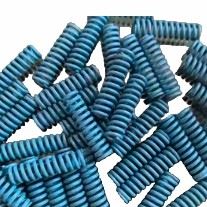
If you're considering using hydraulic springs in your marine application, I'd love to have a chat with you. Every project is different, and I can help you figure out if hydraulic springs are the right fit. Whether you need advice on material selection, design, or installation, I'm here to assist. Just reach out, and we can start a conversation about how we can work together to meet your needs.
In conclusion, while there are challenges to using hydraulic springs in marine applications, the benefits can outweigh the drawbacks in many cases. With the right design, materials, and maintenance, hydraulic springs can offer a reliable and high - performance solution for a variety of marine equipment.
References
- "Marine Engineering Handbook"
- "Spring Design and Applications"


